Custom Work Jackets With Your Logo: Insulated, Softshell, Fleece and Twill
Work Jackets for Every Season: Twill, Insulated, Parkas, Vests, Softshell, Fleece, Hi-Vis
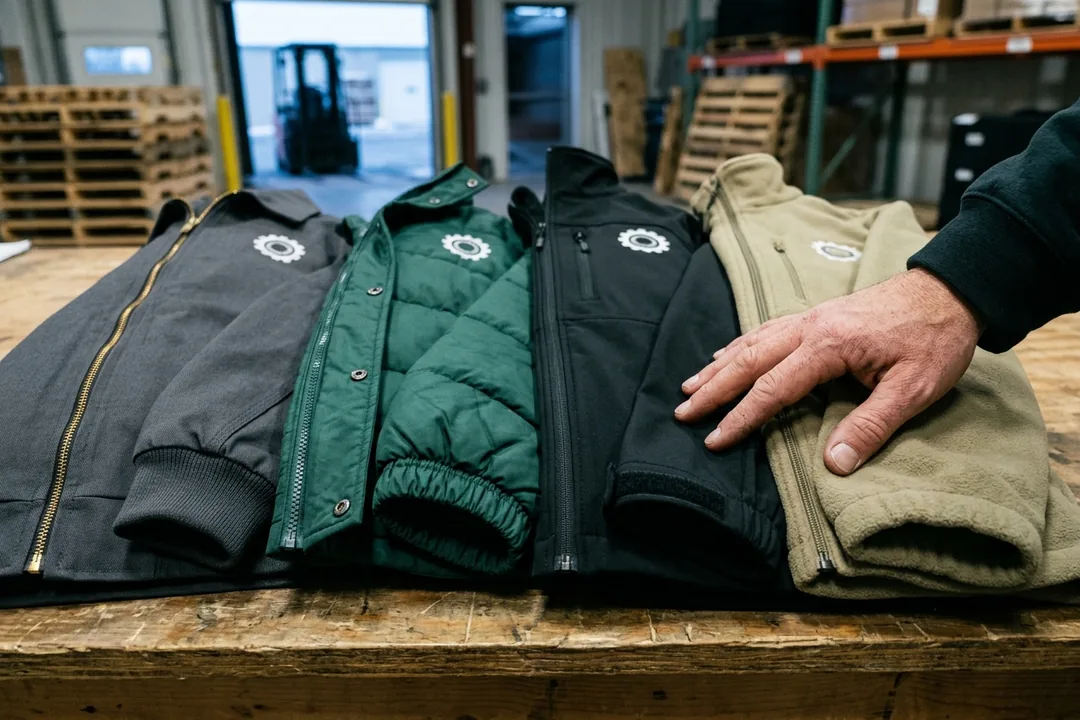
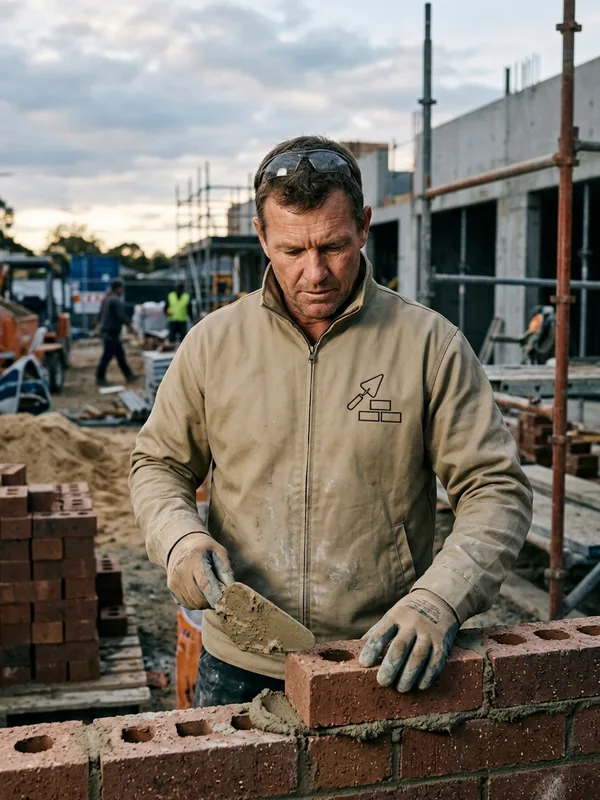 Twill or canvasTwill or duck shell, mesh lining: the three-season site jacket. Logo: embroidered on the shell panel.
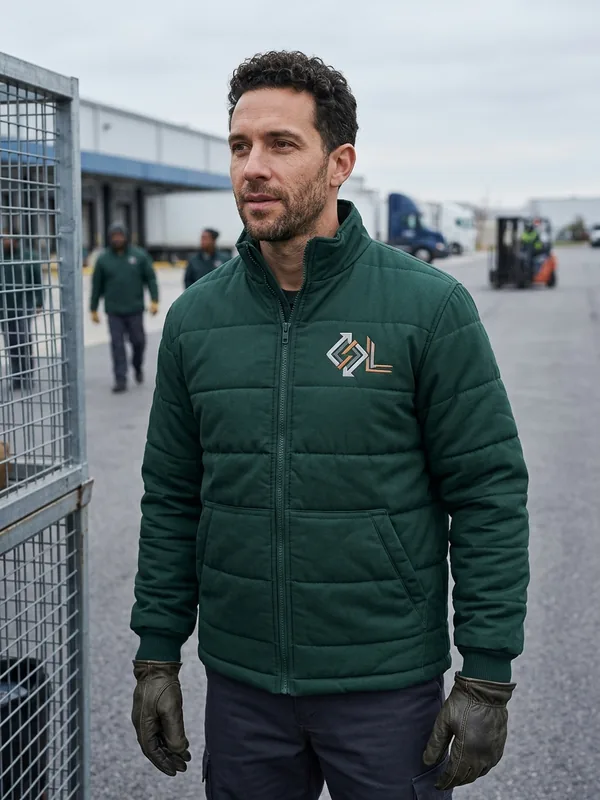 Insulated jacketWaist length, twill or duck shell, quilted lining and polyester fill. Logo: on the shell before the lining goes in.
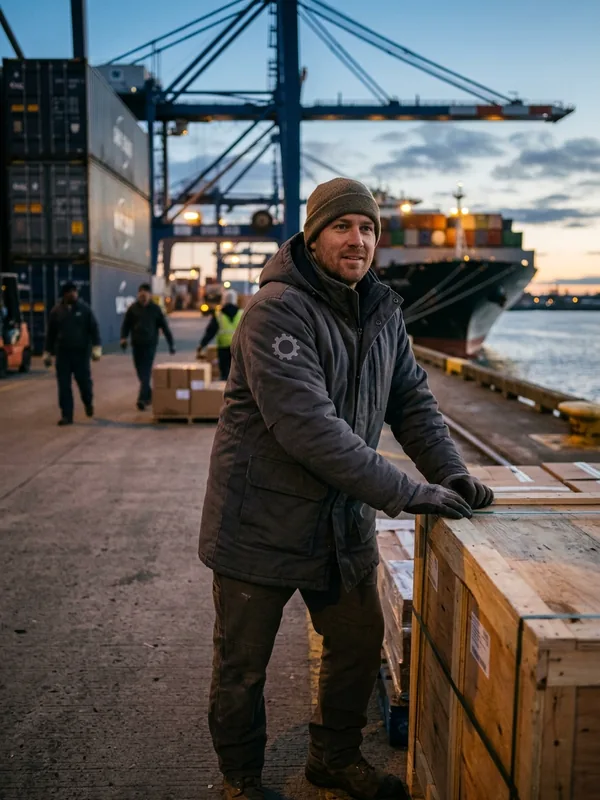 Insulated parkaBelow the hip for yards, docks and outdoor posts, with a detachable hood. Logo: on the shell before the lining.
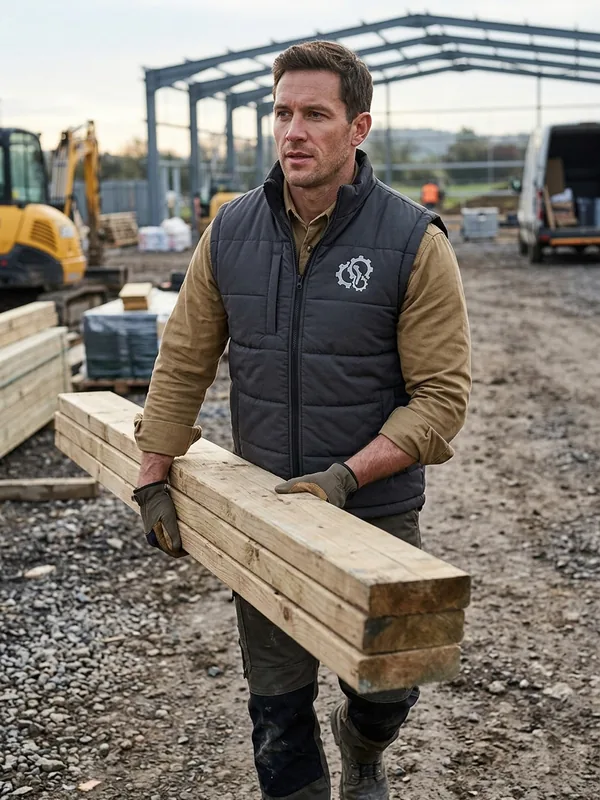 Insulated vestQuilted body and free arms for lifting and climbing, over a shirt or under a shell. Logo: on the shell before the lining.
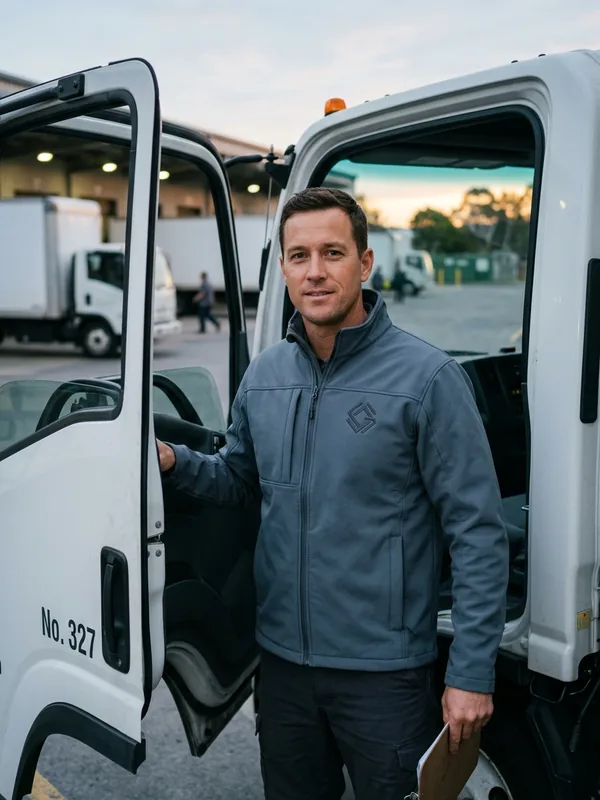 Softshell jacket and vestThree-layer bonded fabric with a water-repellent face, unlined. Logo: low-temperature transfer.
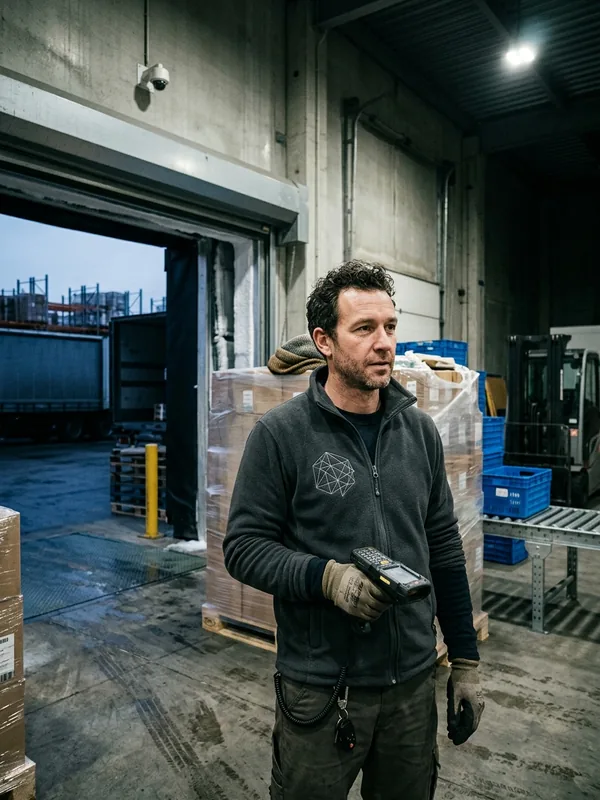 Fleece jacket and vestAnti-pill polar fleece for cold stockrooms and as a mid layer. Logo: embroidery or a sewn patch.
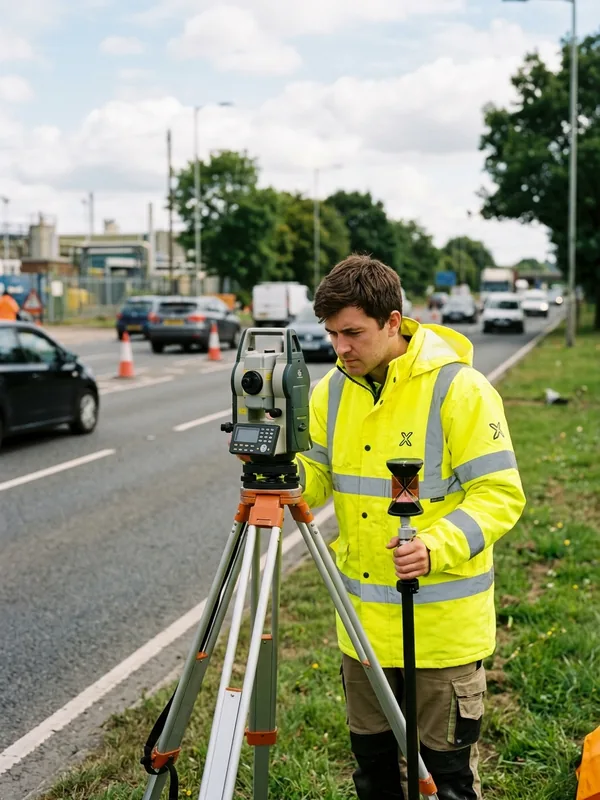 Sleeved hi-vis jacketFluorescent fabric and tape on body and sleeves, built under the hi-vis rules of our safety vests.
-
Logo method by build
- Twill and insulated
- Embroidery on the flat shell panel
- Softshell
- Low-temperature transfer; chest embroidery on request
- Fleece
- Embroidery or a sewn embroidered patch
Insulated Work Jackets: Logo Embroidered on the Shell Before the Lining
- 01
Cut the shell flat
Shell panels are cut on automatic multi-ply tables from the CAD marker for your style and every size.
- 02
Decorate the shell
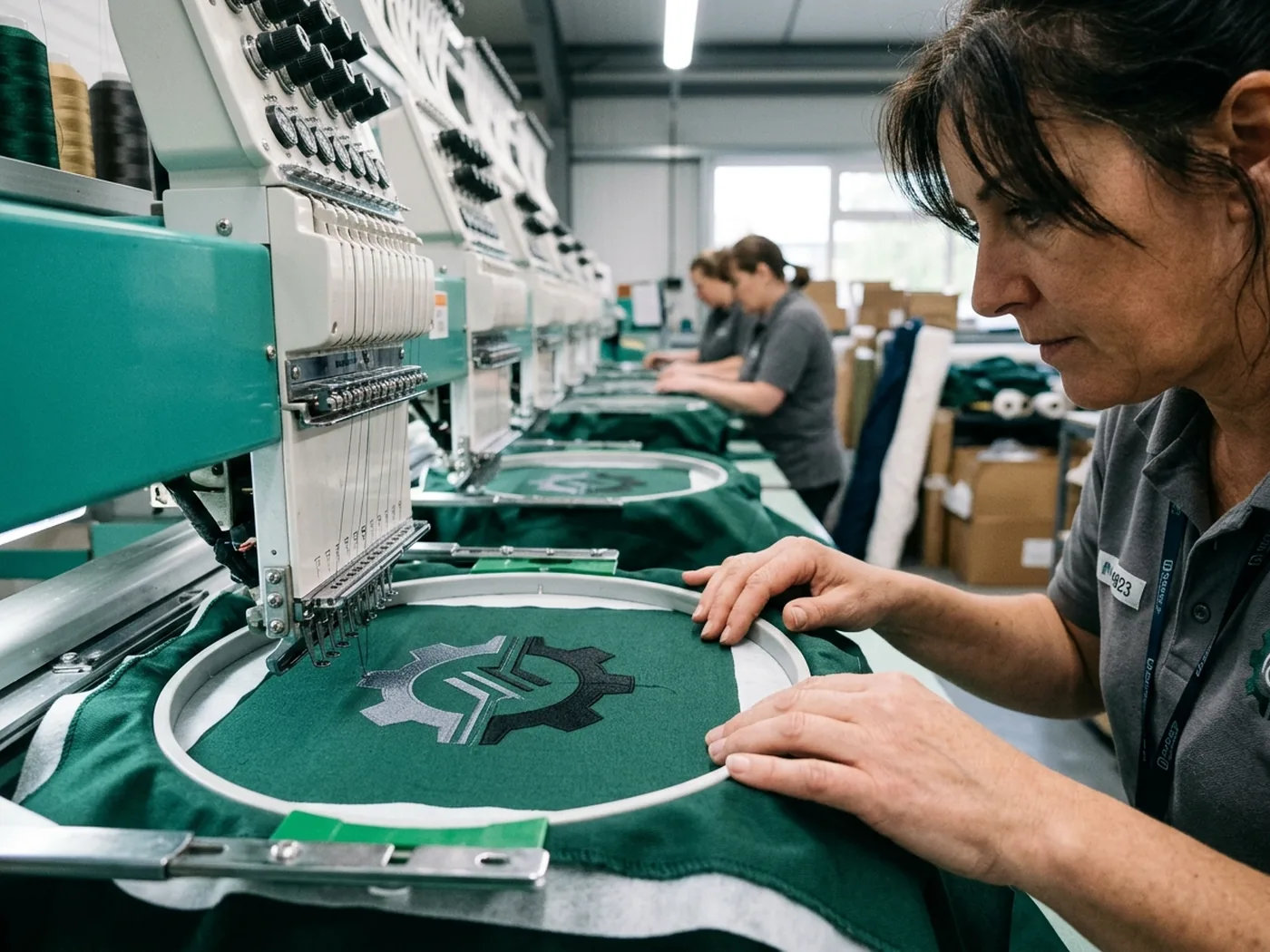
Chest, sleeve and back panels go to the embroidery room as single-layer pieces. The logo is hooped with its backing and stitched in polyester thread; names go on in the same pass.
- 03
Quilt the lining
Separately, the fill is laid on the taffeta lining panels and quilted to them.
- 04
Join the layers
The decorated shell and the quilted lining are joined on the sewing line.
- 05
Check the logo
First panel off each machine checked against the sample; position set per size; clearances checked again after assembly. See the clearances
- Out of the fill
- The needle passes through the shell and backing only. No stitch reaches the fill or lining, so the chest keeps the same loft as the rest of the body.
- Clean inside
- No thread ends or backing inside for the lining to catch on a sweater or work shirt.
- Back logos too
- Back logos are embroidered, printed or pressed on the flat back panel, so no press ever crushes the fill.
Work Jackets by Crew: Sites, Depots, Field Service, Facilities, Distributors
Set up from where the crew works and what it carries.
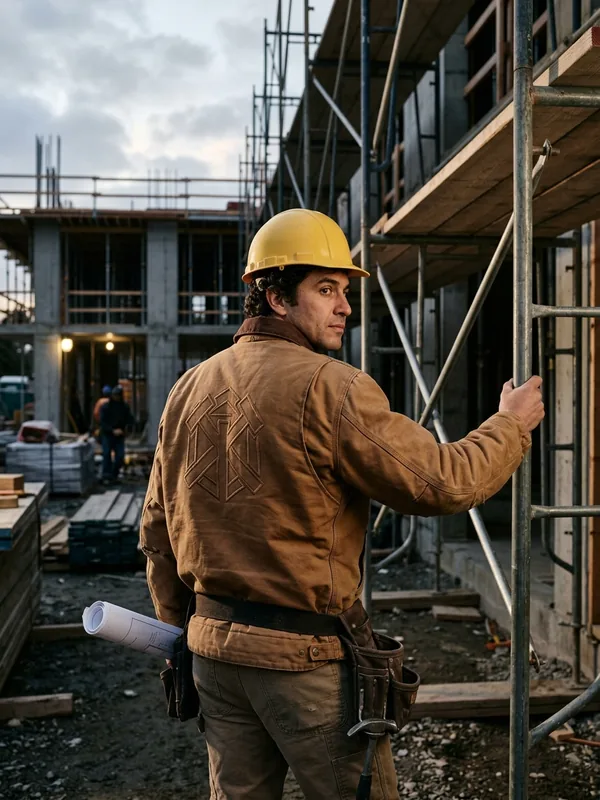
Canvas or twill for spring and autumn, insulated jackets and vests for winter; a chest logo plus a large back logo. Hi-vis under our hi-vis rules.
Send your crew list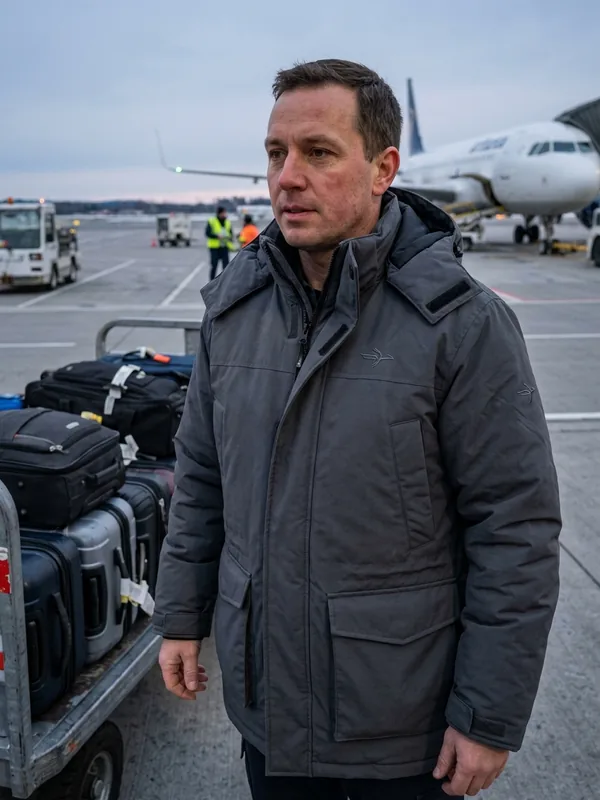
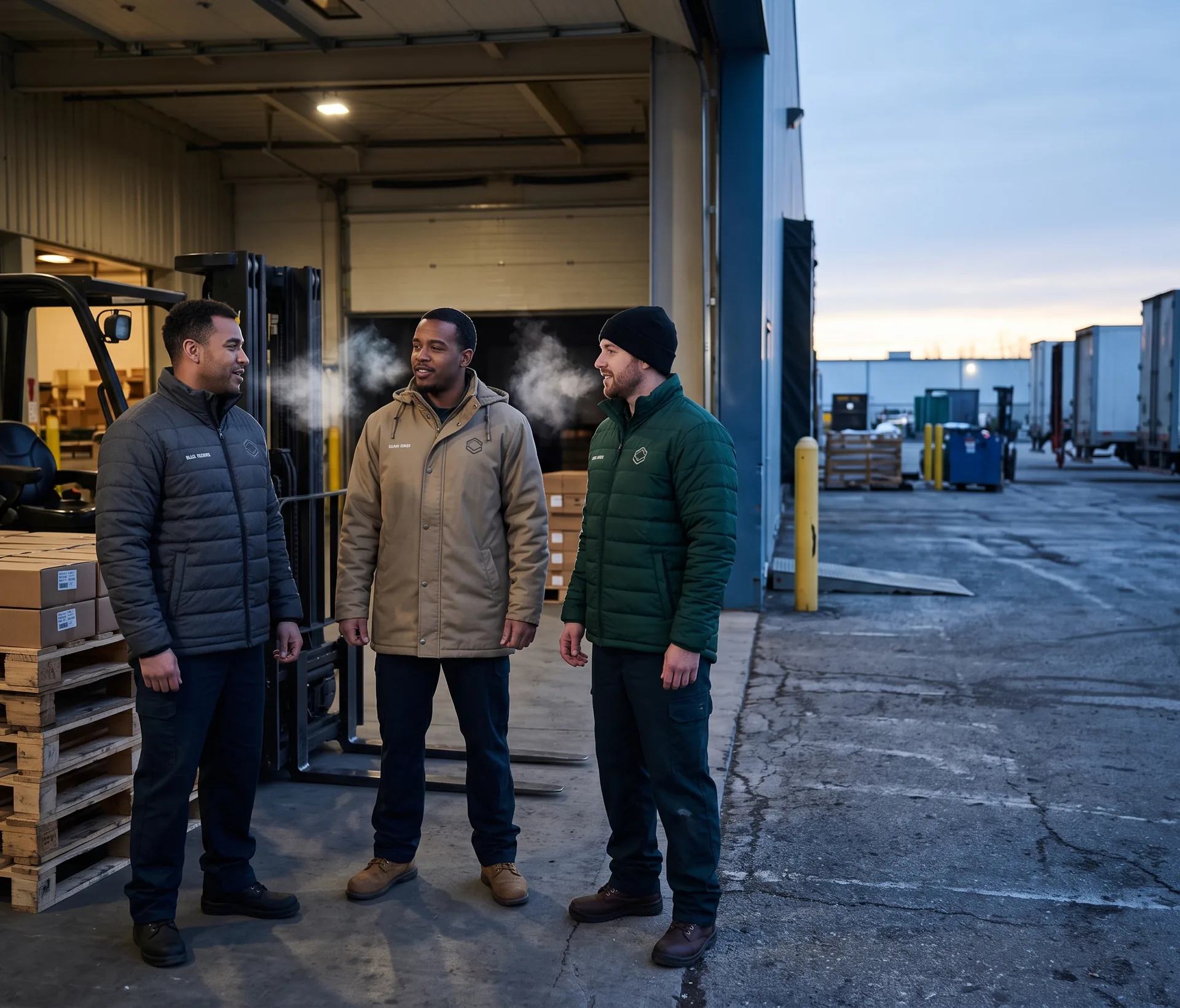
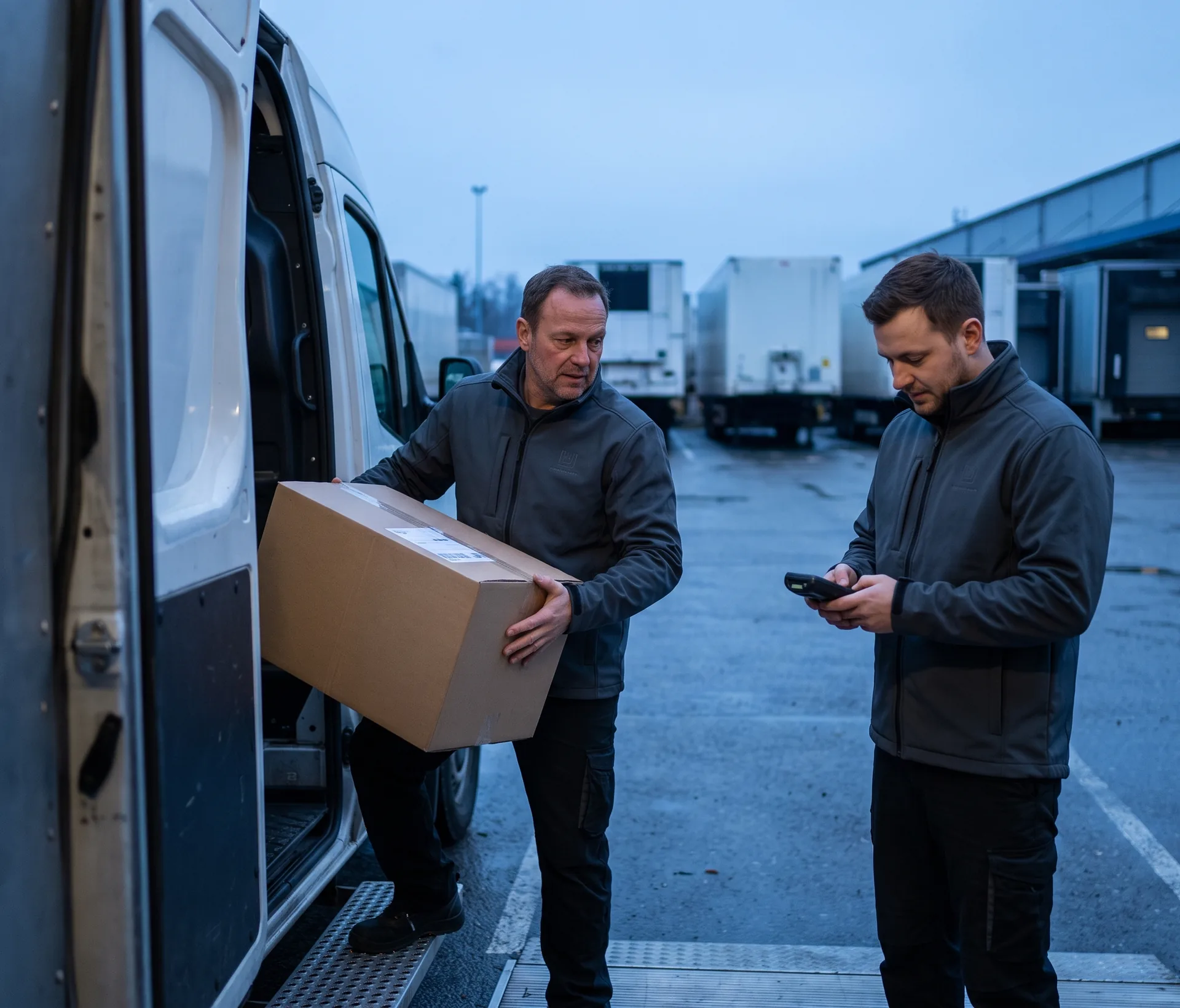
Insulated jackets and parkas for yard, dock and apron shifts, softshells for drivers moving between the cab and the door. Names or ID numbers, packed per depot.
Send your crew list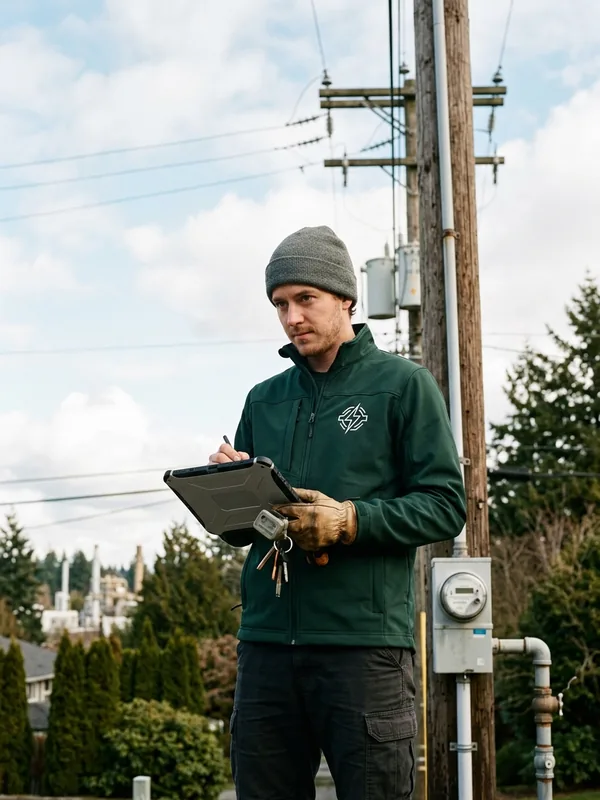
Insulated jackets and softshells for meter reading, inspection and field service where your assessment does not call for FR. Our FR range covers FR shirts, pants, coveralls and FR hi-vis builds: FR clothing.
Send your crew list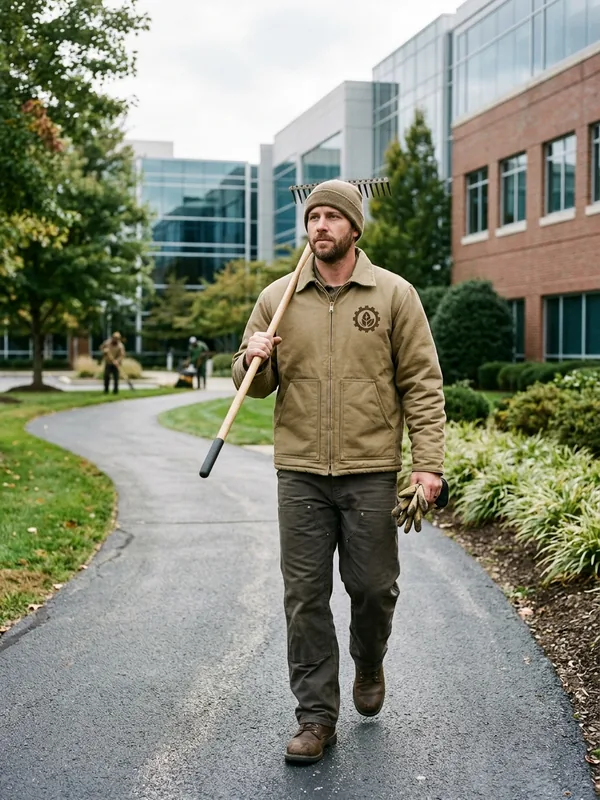
Softshell or fleece for technicians moving between buildings; insulated jackets for grounds, car-park and security-desk posts outdoors.
Send your crew list
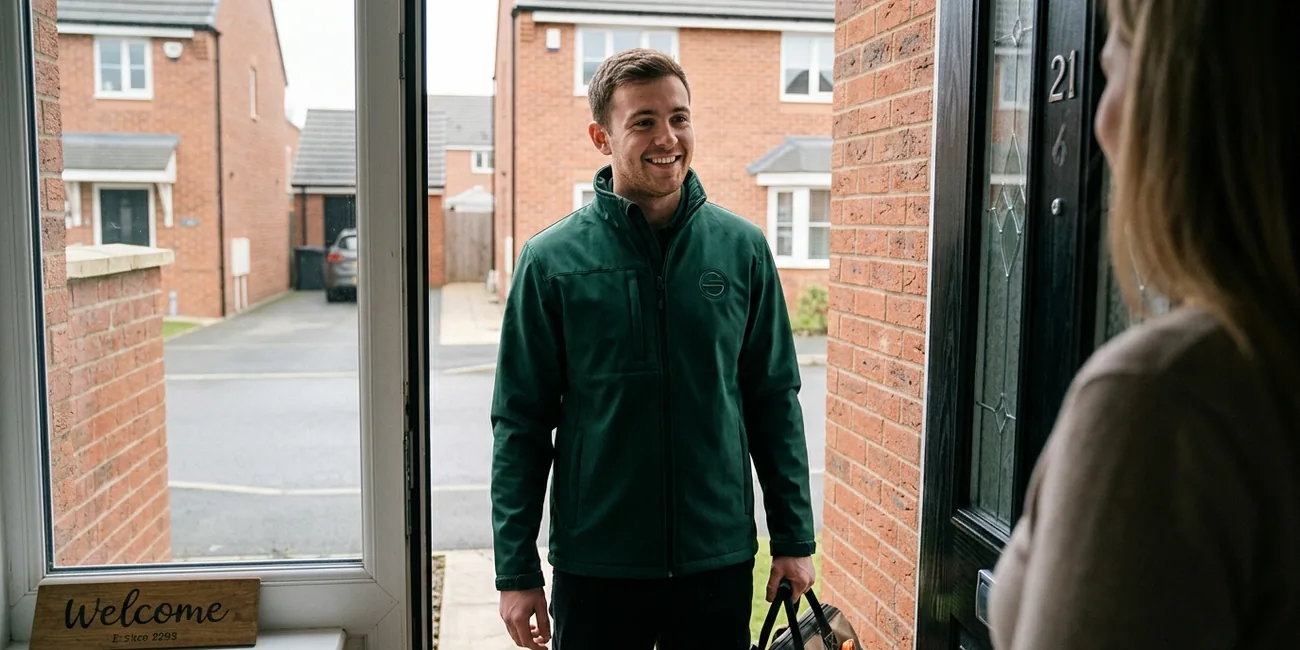
Softshell and fleece in the brand colour for sales, service and installation staff, often within a corporate uniform program.
Send your crew list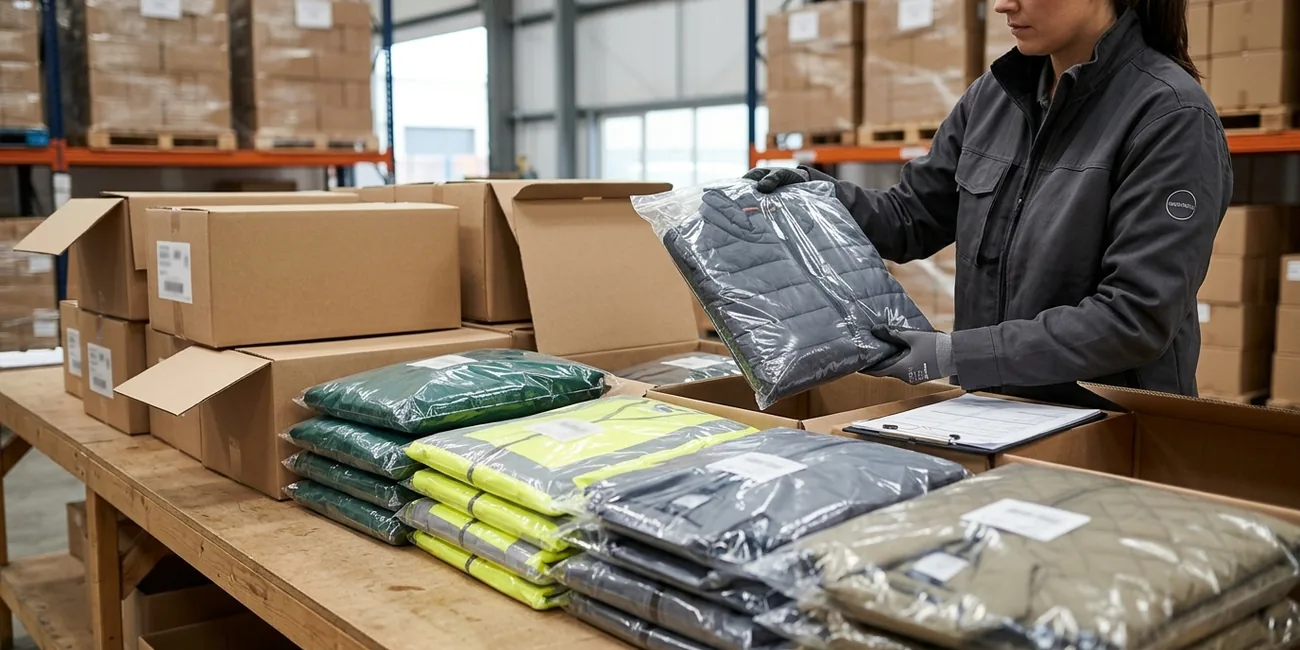
Stock jackets with each end customer's logo, or private-label jacket lines under your own labels, with every end customer's logo plan filed under a customer code.
Send your crew list
Six Choices That Set Up a Work Jacket and Its Logo
Shell fabric
Poly-cotton twill for everyday work, or heavier cotton duck for crews who carry materials. Fabrics
Chosen wrong: a shell that scuffs through, or one too stiff to drive in all day.
01Fill, or none
Three fill weights; many programs run two fills in one style and colour for two seasons. Insulated build
Chosen wrong: one fill asked to cover the whole year.
02Softshell or fleece
Softshell for staff moving in and out of buildings in wind and light rain; fleece for cold indoor spaces and as a layer. Logo methods
Chosen wrong: fleece on a driver in the rain.
03Hood, cuffs and front
A detachable hood, storm cuffs or tabs, a storm flap over the zipper. Construction
Chosen wrong: a hood that covers the back logo, a cuff that lets wind up the sleeve.
04Logo method follows the build
Shell-panel embroidery, low-temperature transfer or fleece embroidery: the jacket decides. Logo zones
Chosen wrong: stitches through the fill, a press on the membrane or the pile.
05Wash route
Domestic or commercial washing; industrial laundering is planned with you at the quote stage. Wash test
Chosen wrong: jackets sent to a laundry their fabrics and logos were not built for.
06
Work Jackets With Logo: Zones Planned Around Quilting, Zipper, Pockets, Hood

Zipper and storm flap
The logo edge sits ≥ 15 mm from the front zipper and storm flap, so the closed flap never covers it.
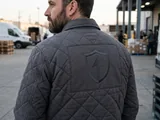
Quilting
Hidden quilting (every stock insulated style) keeps stitching off the shell. Visible quilting leaves an unquilted logo window: lines stop ≥ 10 mm from the logo edge and the back logo is centred on the grid, drawn per size on the CAD pattern. Custom builds only.
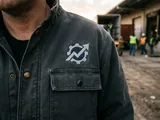
Chest pocket and sleeve
With a left chest pocket, the logo goes above it, on the flap up to 3.5 in / 9 cm, or on the right chest. Sleeve logos up to 3 in / 7.5 cm sit above any sleeve pocket.
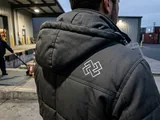
Hood
The back logo top sits ≥ 8 cm below the collar seam, in full view with the hood folded down.
- Hidden quilting: the logo can sit anywhere inside the back zone. Stock or custom.Visible quilting: the lines stop at the logo window, drawn on the CAD pattern. Custom build.
- Centred on the quilting grid: the lines run evenly on both sides of the logo.
- Detachable hood: back logo held below the line under the collar seam.No hood: the back logo can start higher on the back.
- Logo zones
- Left chest up to 4 in / 10 cm wide · back up to 12 in / 30 cm wide.
- Every size
- The logo is re-placed on each size so every clearance holds; line QC checks it at the first piece and during the run. Any change opens a new spec-sheet version for you to sign.
Softshell Work Jackets Pressed at Low Temperature; Fleece Embroidered Only
Low-temperature transfer as standard
- Set-up
- Dwell time and pressure are set on the first piece for each style and fabric and written into the logo set-up record, so re-orders and new starters are pressed the same way.
- Peel check
- After the first piece cools, line QC checks edges and fine detail: no edge lift, or the run stops. That piece stays with the run record.
- Chest embroidery option
- The layers are bonded, so needle holes go through every layer, membrane included; the spec sheet says so before you sign. Back and sleeve logos stay transfers.
- Names
- Same film and settings as the logo, or embroidered on the chest with it.
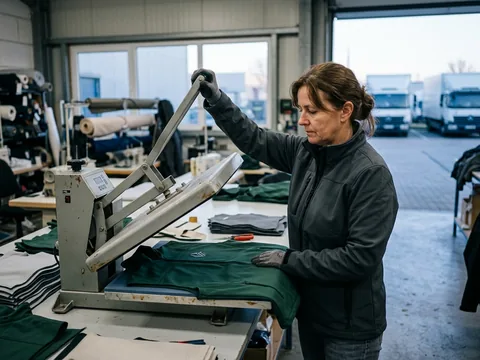 The membrane keeps out wind and light rain; heat is what damages it.
Embroidery or a sewn patch, never a press
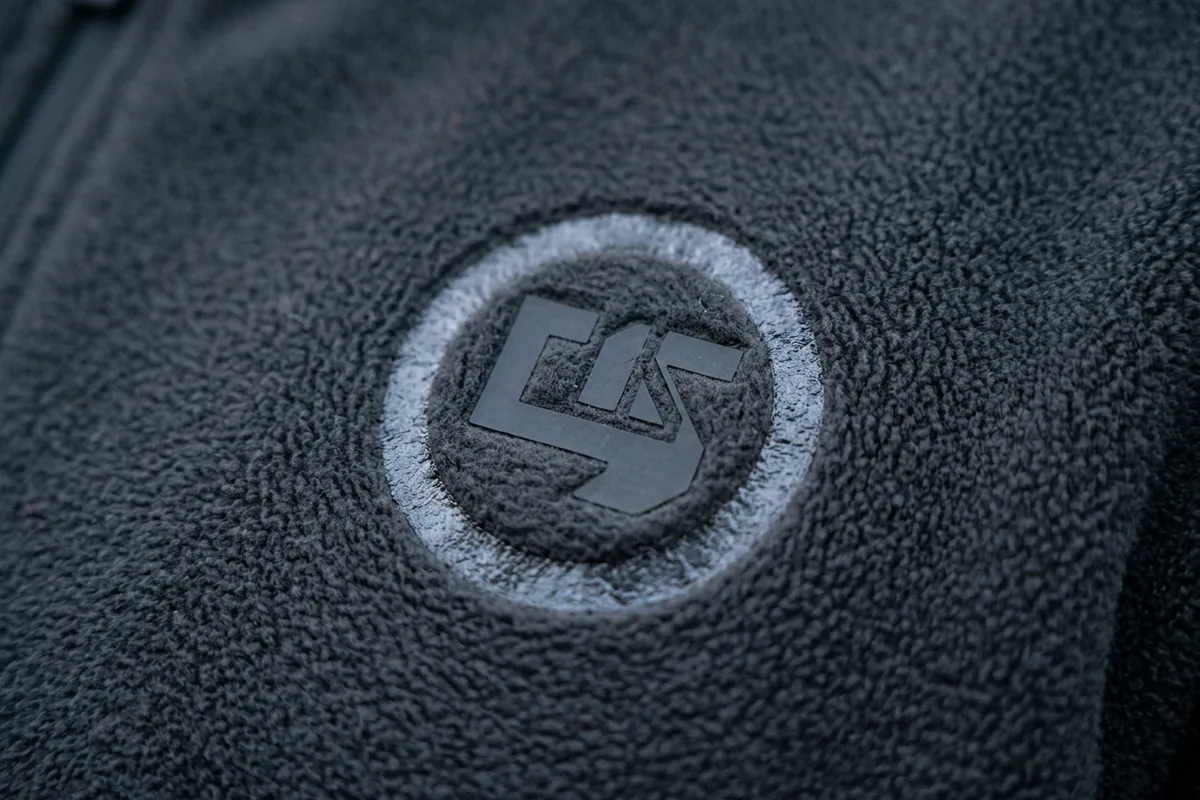
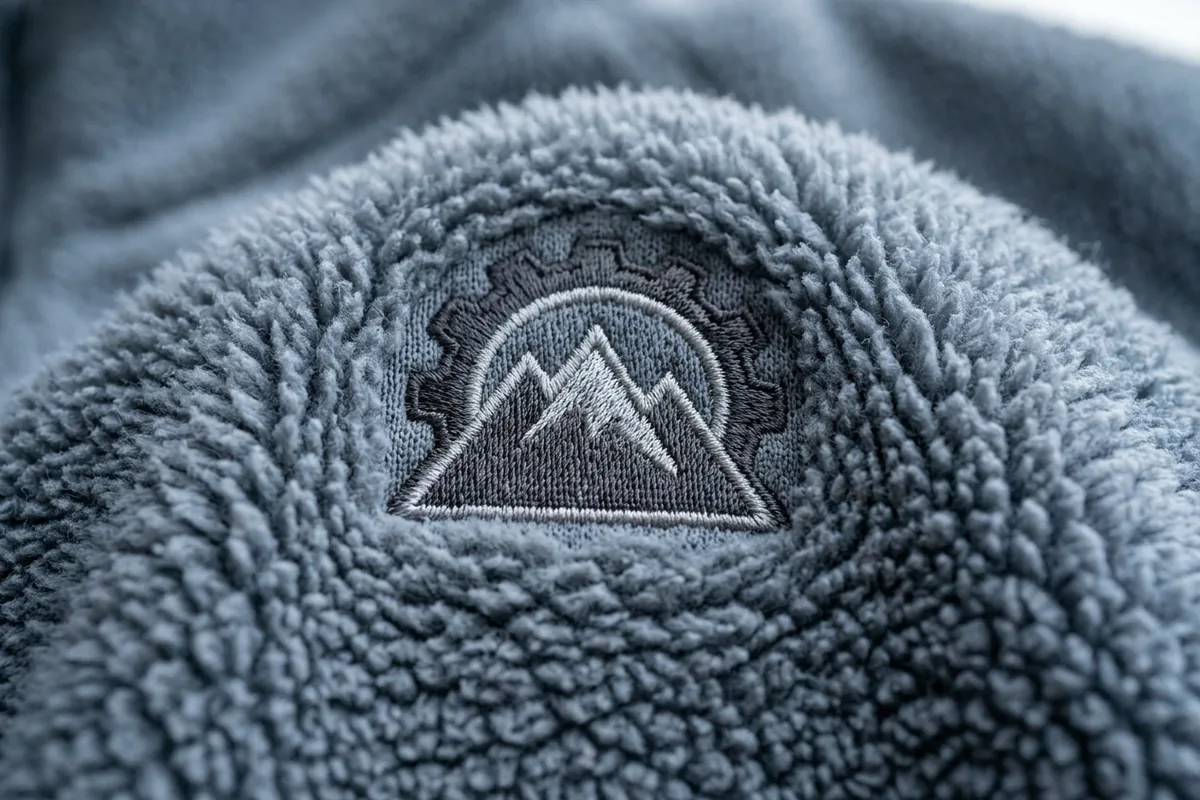
A heat press crushes the pile around a logo and leaves a flat, shiny outline. On fleece the logo is embroidered direct, or sewn on as an embroidered patch made in our own embroidery room. Backs and sleeves follow the same rule.
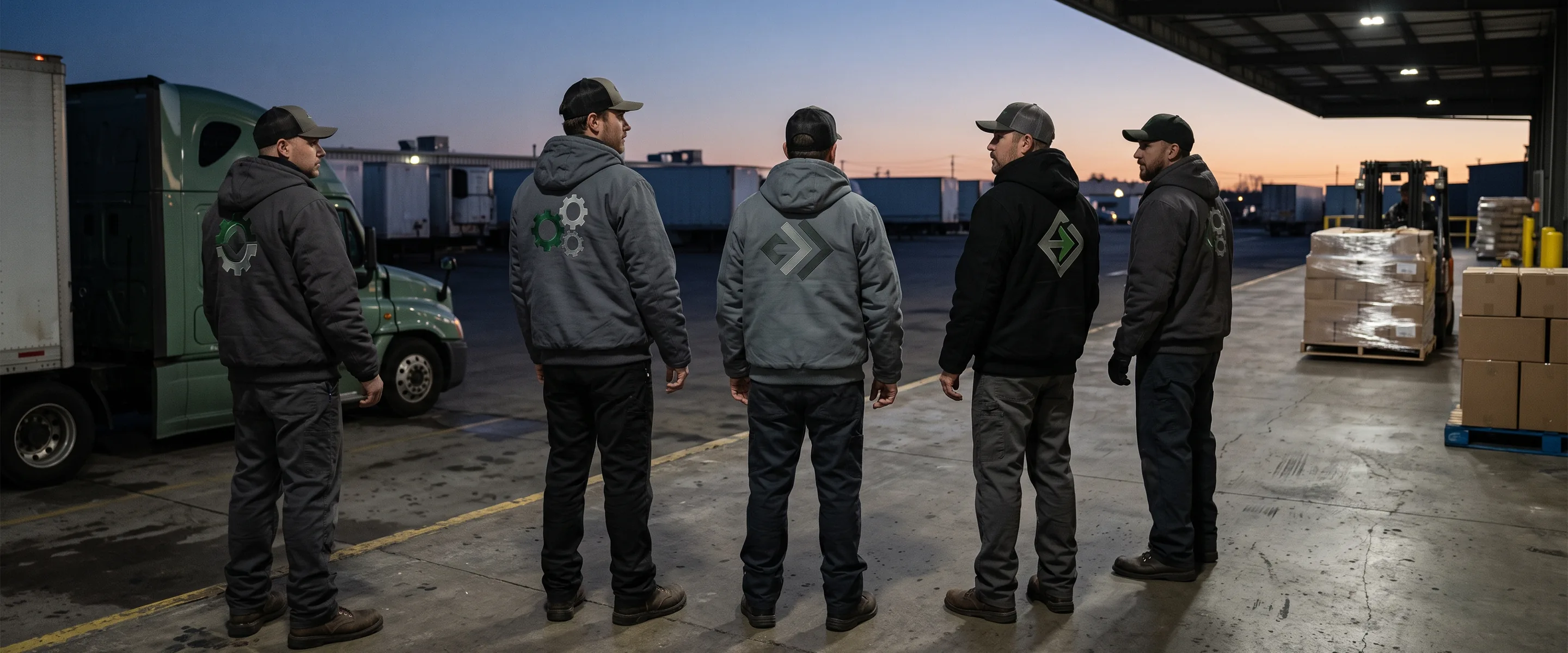
Work Jacket Construction: Storm Flap, Cuffs, Hood, Pockets, Bartacks and Seams
The parts that keep wind out and carry radios, IDs and phones, fixed per style on the build spec sheet.
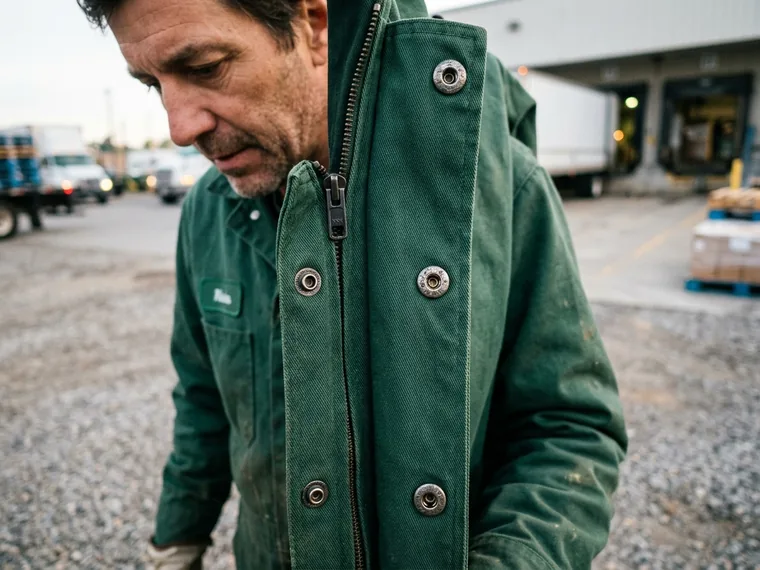
Front
Twill and insulated jackets close with a front zipper under a storm flap with snaps. Softshell and fleece take a full-length zipper with a chin guard.
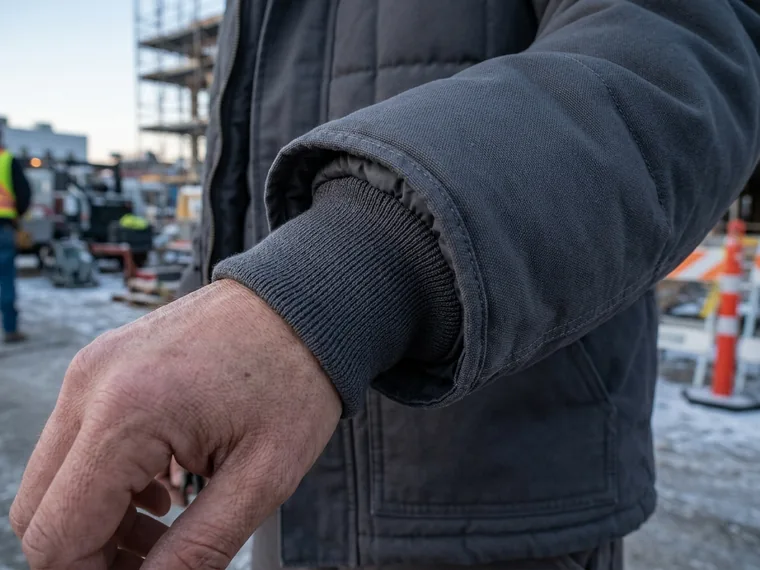
Cuffs and hem
Inner rib-knit storm cuffs or hook-and-loop tabs on insulated styles; tabs or a plain cuff on twill. Parkas and softshells can take a drawcord hem.
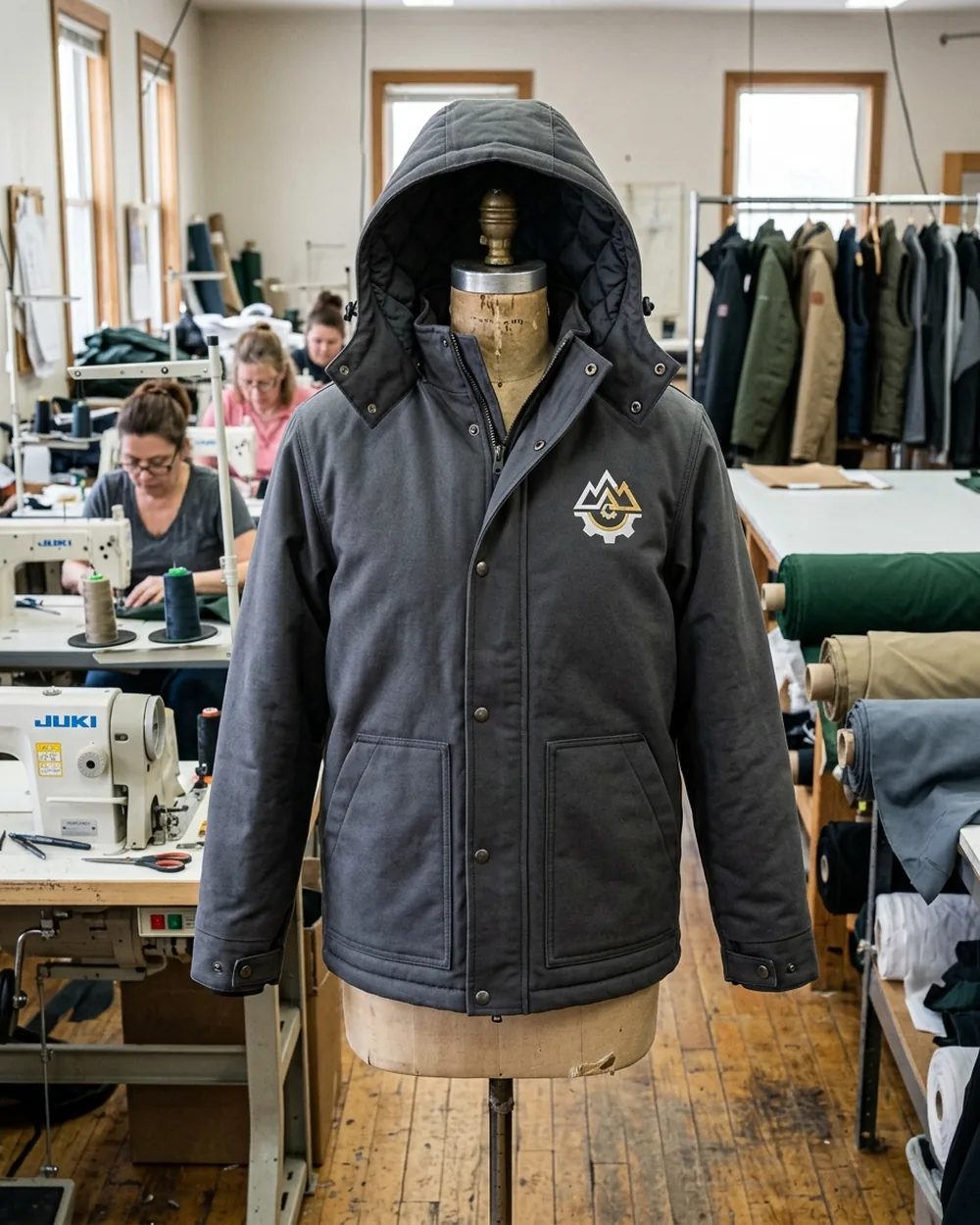
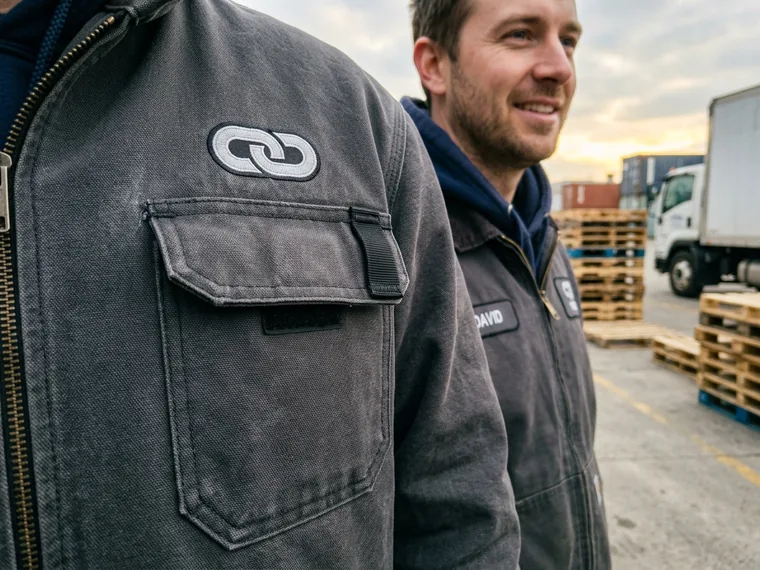
Pockets
Hand pockets, zip or flap chest pockets, an inside pocket on insulated; sleeve, ID and radio pockets, a mic tab. Drawn on the CAD pattern with the logo zones.
- Hood
- Detachable on snaps or a zip, with a drawcord; on any insulated or softshell style.
- Lining
- Quilted taffeta on insulated, mesh on twill; softshell and fleece unlined.
- Bartacks
- Pocket mouths and corners, zipper ends and hood attachment points.
- Seams
- Double-needle main seams; shell, fill and lining joined at the edges, the zipper and the hem.
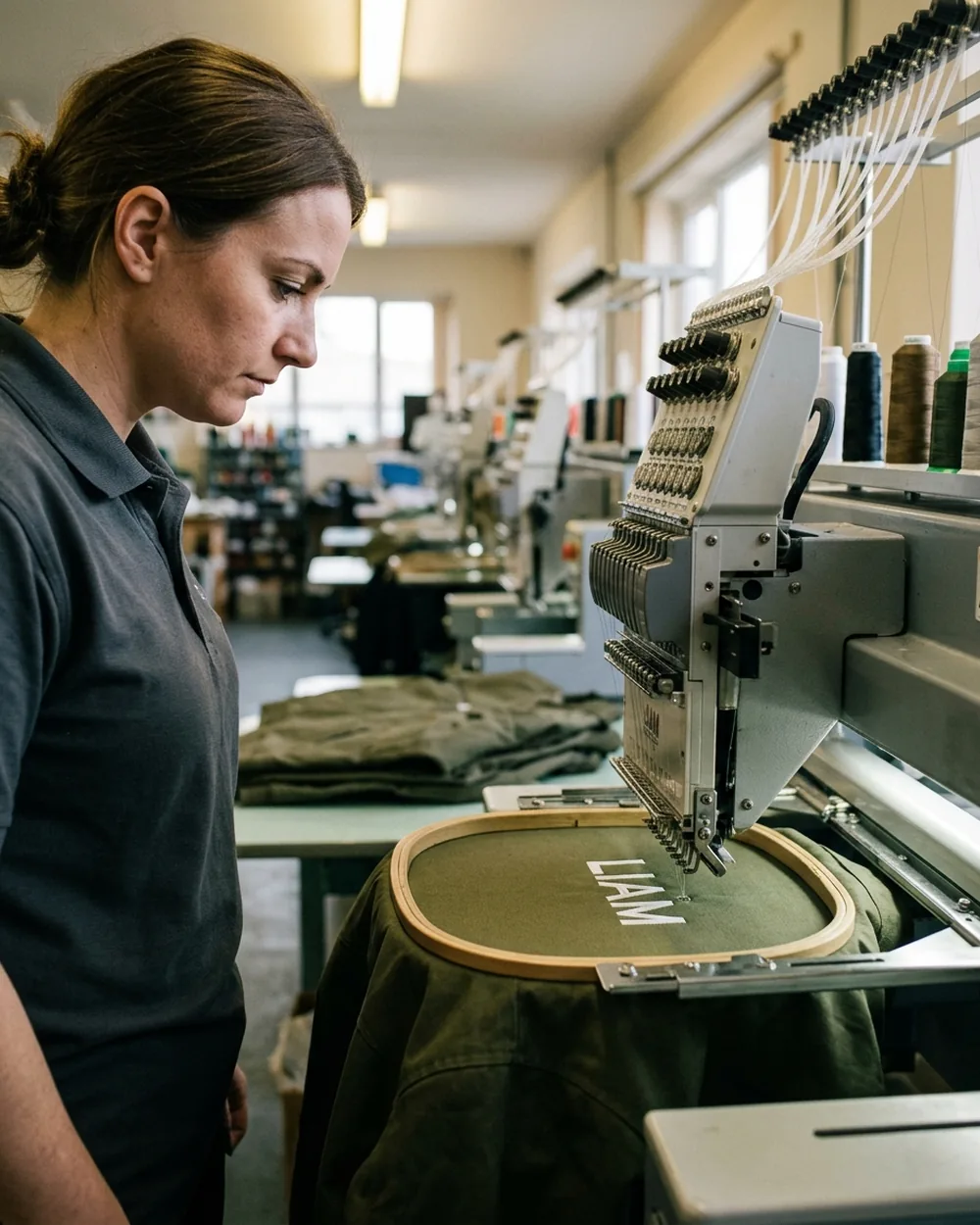
Custom Embroidered Work Jackets: Names and ID Numbers From Your Staff List
| A. Nowak | L | Depot 07 |
| J. Reyes | XL | Depot 07 |
| M. Osei | M | Depot 12 |
Insulated and twill
Embroidered on the chest shell panel in the same pass as the logo, before assembly.
Softshell
Heat-applied with the low-temperature film, or embroidered on the chest with the logo.
Fleece
Embroidered, like the logo.
- A wrong name
- A name that differs from the signed proof counts as a defect.
- Late names
- A supplementary proof, same settings; those jackets are assembled after the names go on.
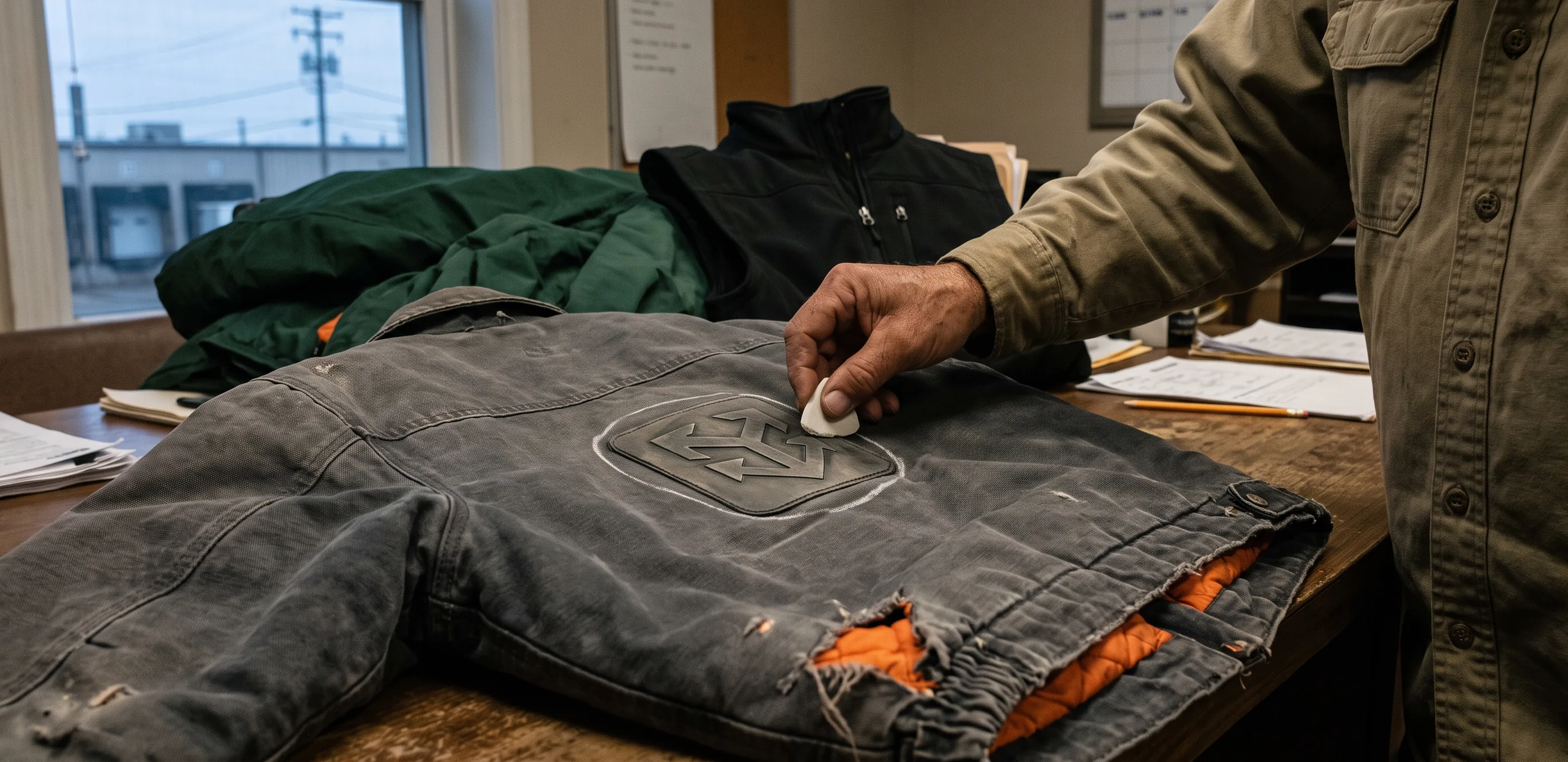
Send Us Your Logo and the Jacket Your Crew Wears Now
The reply gives a logo plan for each jacket type: method, zones, and the pocket and zipper clearances.
Work Jacket Specifications: Shells, Softshell, Fleece, Sizes and Colour
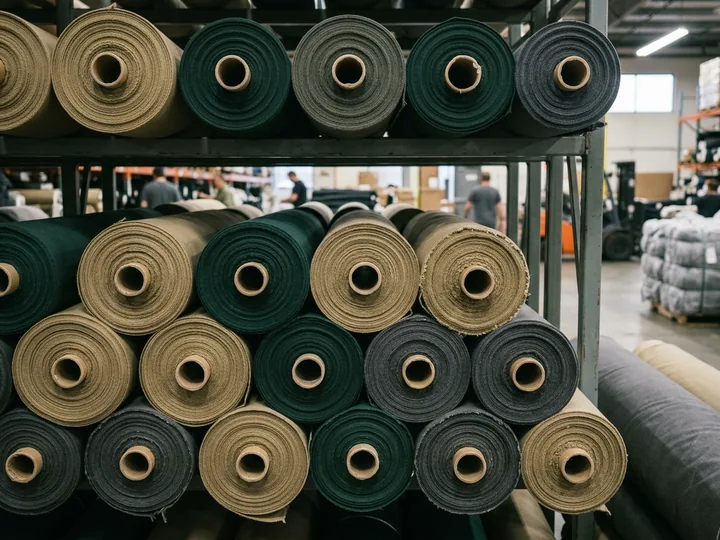 Twill and duck shell
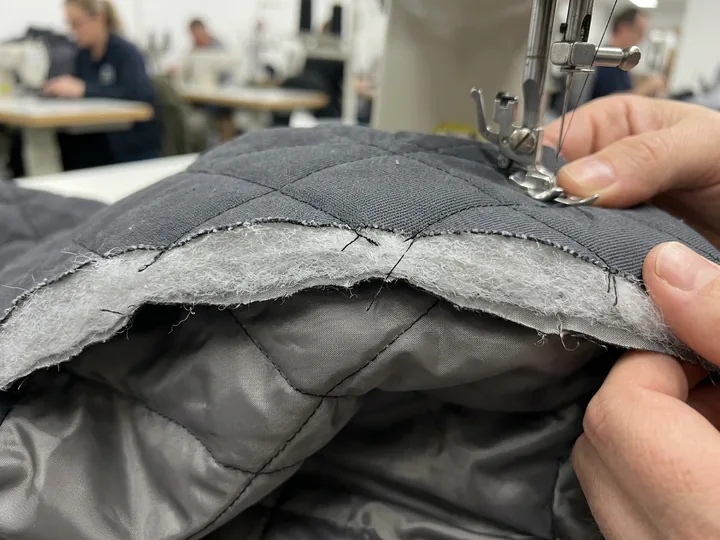 Fill on taffeta
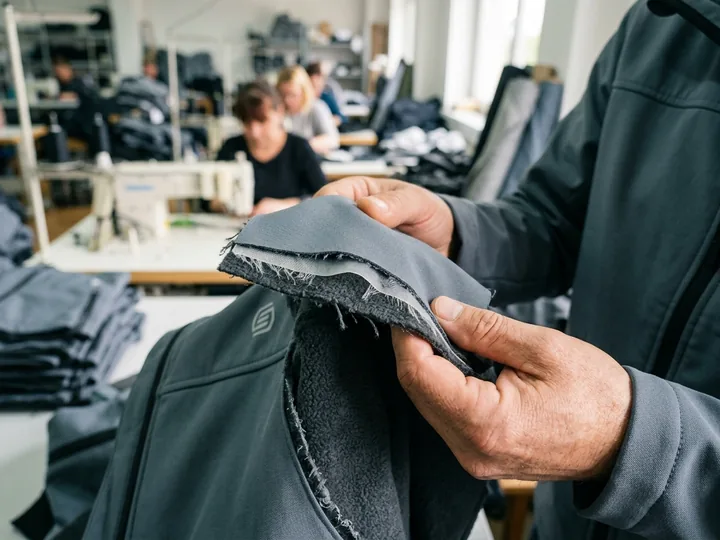 3-layer softshell
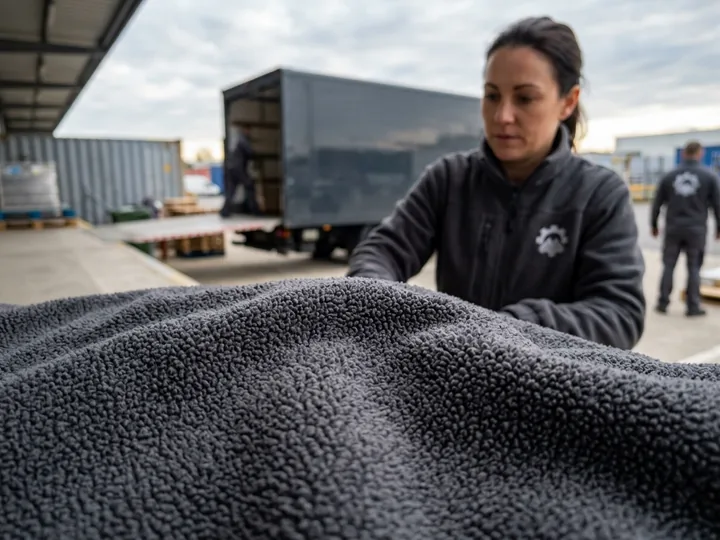 Polar fleece
| Item | Specification |
|---|---|
| Twill and canvas shell | 65/35 poly-cotton twill 240–280 gsm · 100% cotton duck 340–400 gsm · water-repellent finish optional |
| Fill and lining | Polyester wadding quilted to a polyester taffeta lining · fill weights |
| Quilting | Hidden quilting on every stock insulated style · visible quilting with logo windows on custom builds · logo zones |
| Softshell | 3-layer bonded: polyester / spandex woven face, TPU membrane, micro-fleece back, 280–320 gsm, water-repellent face |
| Fleece | 100% polyester polar fleece 260–320 gsm, anti-pill on both sides |
| Twill jacket lining | Polyester mesh |
| Hood and cuffs | Detachable hood · storm cuffs or tabs · construction |
| Sizes | XS–5XL, men's and women's cuts, tall sizes on core styles · finished tolerances |
| Logo zones and names | Zones and clearances · names and ID numbers |
| Colour | Any colour lab-dipped to your Pantone; re-order fabric checked against the retained dip before cutting · colour continuity |
| Wash route | Domestic or commercial washing for insulated, softshell and fleece · decoration wash test |
Jacket, Hi-Vis, FR or Insulated Coverall: Picking the Build by the Work
- Typical crew
- Site and shop work in spring and autumn
- Logo method
- Embroidery on the shell panel, back print
- Typical crew
- Yards, docks and outdoor posts in the cold months
- Logo method
- Embroidery on the shell panel before the lining
- Typical crew
- Drivers, technicians and customer-facing staff
- Logo method
- Low-temperature transfer; chest embroidery option
- Typical crew
- Cold warehouses, stockrooms, a mid layer
- Logo method
- Embroidery or a sewn patch
- Typical crew
- Roadside, ramp and yard work that needs hi-vis
- Logo method
- Logo area planned against the standard
- Typical crew
- Tasks your hazard assessment rates as FR
- Logo method
- FR thread and FR transfer film
- Typical crew
- Crews who want one-piece cover over their clothes
- Logo method
- Embroidery on the shell panel
- Typical crew
- Store, depot and office staff by role
- Logo method
- Embroidery, per program item list
Work Jacket Inspection: First Piece, Clearances, Wash Test, Final AQL
- 01 · First piece
First panel, first jacket
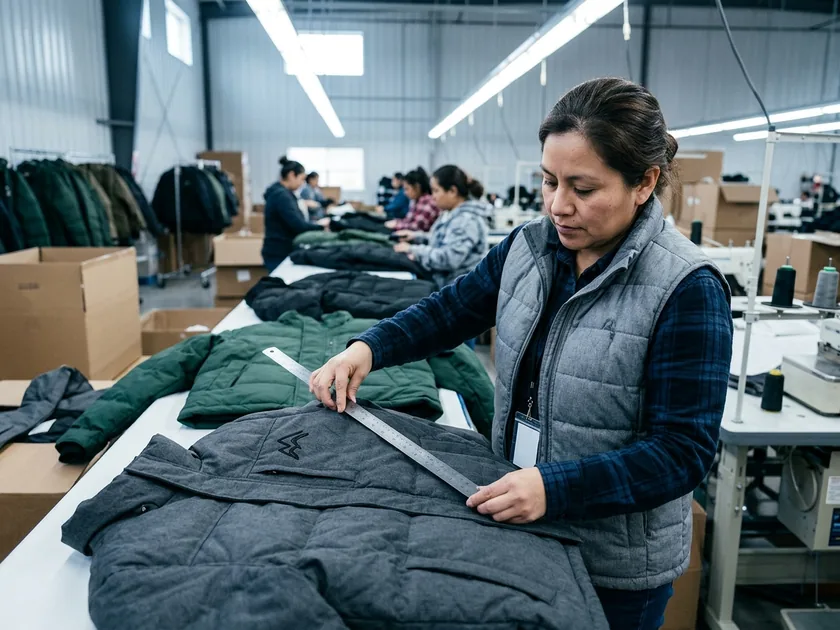
Line QC checks the first panel off each machine and press, and the first jacket on each line, against the approved sample: position, size, colour, finish and, on softshell, the peel check. Then every clearance on the spec sheet. Clearances
- 02 · Measurements
Measured at final inspection
Chest±1.5 cmBody length±1 cmSleeve length±1 cm - 03 · Decoration wash test
Each new logo and fabric
Washed 50 cycles to ISO 6330 on the sample pieces, with before-and-after photos and a test record sheet.
- Embroidery: no broken stitches, no puckering
- Transfers: no cracking, no edge lift
- Colour: fastness to washing grade 4 or better to ISO 105-C06
- A fail: new settings and a retest, then a new method, and you are told before the decision
- Build spec sheet per style
- Logo set-up record
- Wash test record with photos
- Final AQL report
- Carton list: PO, style, colour, dye lot, and name, size and site when packed by person
Stock, Custom or Private-Label Work Jackets, Built to One Spec Sheet
Stock jackets with your logo
Twill, hidden-quilt insulated, softshell and fleece jackets from our standard patterns and fabrics, with your logo and names.
Start this routeCustom work jackets
Your fabric, colour, fill weight, hood, pockets and quilting, including visible-quilt logo-window builds, which are custom only. From our CAD pattern or your tech pack.
Start this routePrivate label
Your neck labels, care labels and hang tags, with each end customer's logo plan under its own customer code. Private label uniforms
Start this route
- Colour, two-tone yokes and side panels
- Fill weight
- Quilting
- Hood
- Pockets
- Cuffs
- Water-repellent finish
- Logos and names
- Labels
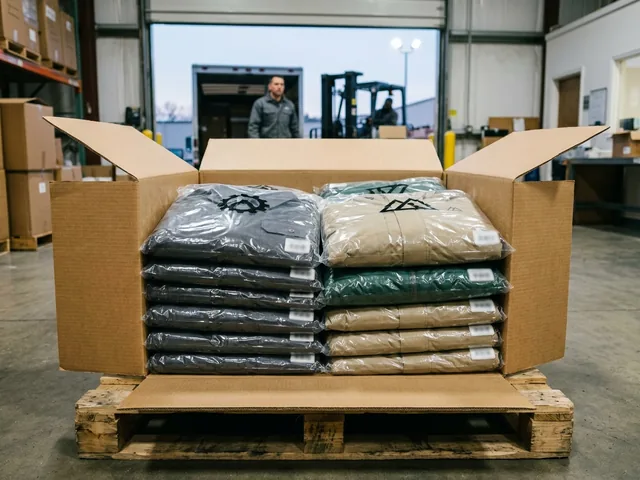
Packing: each jacket in its own polybag with a size sticker, hood fitted; cartons by size or by person, labelled with PO, style, colour and dye lot.
Winter Work Jackets Planned Back From the Day Crews Need Them
- 5–7 daysLogo-on-stock sample
- 12–15 daysCustom sample or size set
- 25–35 daysBulk, after sample approval
- Crews need themPlan back from this date
- Re-orders
- 15–20 days on the same spec and pattern; plan them before each winter.
- Two fills, one style
- A lighter fill for autumn and spring and a heavier one for the coldest months, both on the same pattern and logo set-up record.
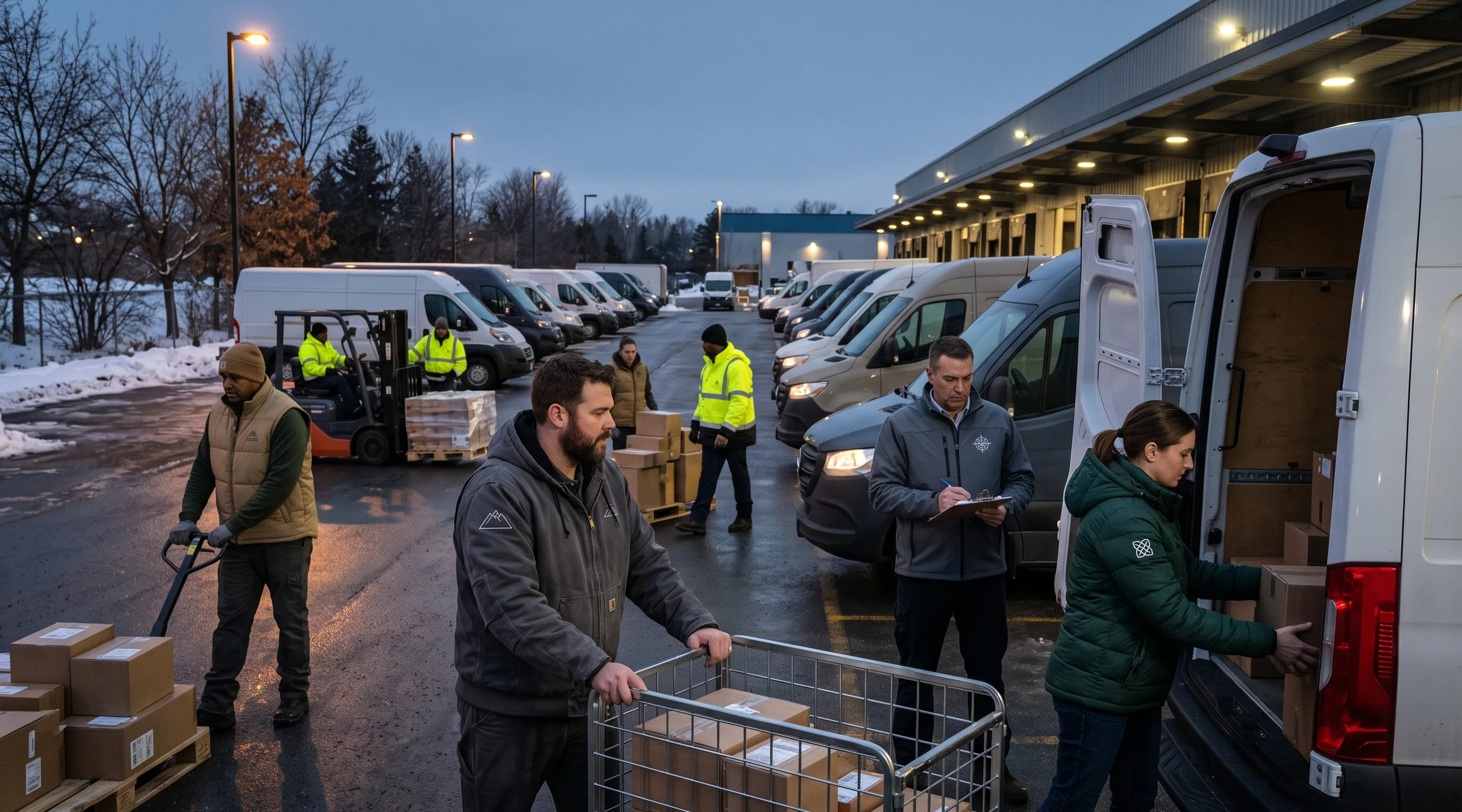
Program Model: Parcel Delivery Operator, 24 Depots, Insulated and Softshell
- Who they are
- A logistics and parcel delivery operator in North America.
- What they wear
- Insulated jackets in the middle fill weight for yard and dock staff; softshells for drivers.
- How the logos go on
- Chest logos embroidered on the shell before the lining; softshell logos pressed with the low-temperature film, settings fixed so every depot matches.
- Delivery and re-orders
- Packed and labelled per depot; re-ordered before each winter from the same pattern, fabric and record.
- 24Depots
- 1,700Drivers and warehouse staff, about
- Per depotPacked and labelled for each site
- Before winterRe-ordered from one set-up record
Work Jacket Quote Checklist: Eleven Items to Send
- Jacket typesTwill, insulated jacket, parka, insulated vest, softshell, fleece, hi-vis
- Quantity and sizesNumber of people, size spread, men's and women's cuts
- Shell and colourTwill or duck; Pantone or a garment to match
- Fill and quiltingFill weight; hidden or visible quilting
- Hood, cuffs and pocketsHood, storm cuffs or tabs, extra pockets
- FinishWater-repellent or none
- LogosFile or photo; positions; method on softshell
- Names or ID numbersYes or no, and the staff list format
- Wash routeDomestic, commercial or industrial laundering
- PackingBy size or by person; delivery sites
- A jacket your crew wears nowPhotographed, or posted to us
Related Uniform Pages: Coveralls, Hi-Vis, FR, Pants, Shirts, Corporate, Private Label
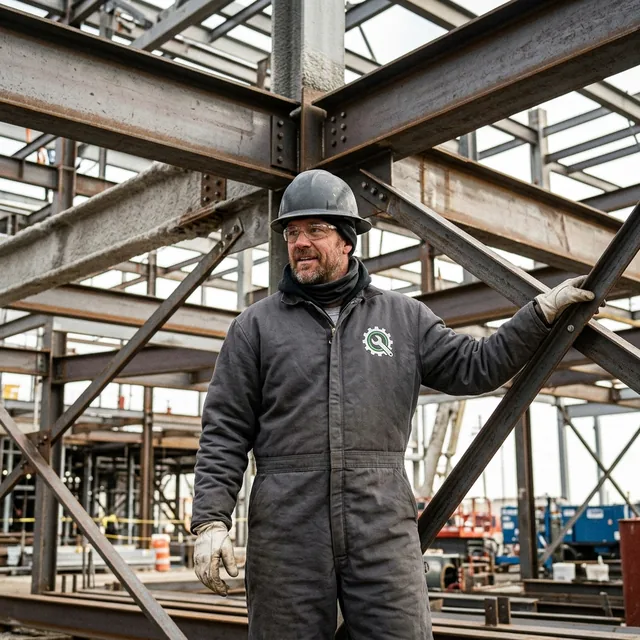
Custom coveralls
Insulated coveralls in the same fill weights.FR clothing
FR shirts, pants, coveralls and FR hi-vis builds for tasks rated as FR.
Custom safety vests
Class 2 vests worn over jackets.Custom work shirts
Shirts and polos worn under jackets, with the same logo set-up.
Custom work pants
Work pants for a two-piece with your jackets.Private label uniforms
Work jacket lines under your own label.
Corporate uniforms
Softshell and fleece in multi-site programs.Ask about any of these in the same quote
One quote can cover the whole uniform.
Start Your Work Jacket Program
- A written quote
- A sample plan
- A logo plan per jacket type, clearances drawn in